


Baster Forest Raw Honey
Baster Raw Forest Honey
Wild Multiflora Honey • Collected by Tribal Communities of Bastar, Chhattisgarh
Tazawan Baster Raw Forest Honey is a naturally gathered, multiflora forest honey collected by tribal communities from the forests of the Bastar region in Chhattisgarh. It reflects the diversity of the forest's flowering trees, with nectar sources including Tamarind, Ippa (Mahua), Saal, Bija, Harra and Baheda.
Unlike honey with a uniform appearance and texture, raw forest honey can vary naturally in colour, aroma and consistency depending on the season, flowering patterns and nectar sources.
🌳 What Makes Our Forest Honey Special?
-
Collected by Forest Tribal Communities – Gathered by tribal collectors from the Bastar forest region, Chhattisgarh.
-
Natural Multiflora Honey – Produced from nectar gathered from a variety of forest flowers and trees.
-
Diverse Forest Flora – Major reported nectar sources include Tamarind, Ippa (Mahua), Saal, Bija, Harra and Baheda.
-
Naturally Variable Colour – Usually semi-golden yellow, but the colour can vary and may sometimes be much darker, depending on nectar sources and season.
-
Distinctive Natural Aroma – Raw honey may have a pronounced floral, woody or fermented-like aroma, depending on its composition and storage conditions.
-
Natural Seasonal Variation – Each collection may differ in taste, aroma, colour and texture, making forest honey distinct from one harvest to another.
🍯 Understanding Raw Forest Honey
Customers sometimes expect all honey to look thick and smell mild. However, honey's colour and consistency naturally vary according to its floral origin, moisture content and storage conditions. Honey can range from fluid to viscous and may vary from light golden to dark brown.
-
Why can it be thin? Some honey naturally flows more easily than others. However, thin consistency alone does not prove purity; moisture content and quality standards matter.
-
Why can the colour change? Different flowering seasons and nectar sources can produce different shades, from semi-golden yellow to dark brown.
-
Why can the aroma differ? Floral sources influence honey's natural aroma and flavour. A strong fermented or sour smell, especially with bubbling or frothing, may indicate actual fermentation rather than simply natural enzyme activity. Honey that appears fermented should be checked for quality before sale or consumption.
FAOHome+1
A note for customers: Thick honey is not automatically adulterated, and thin honey is not automatically pure. Appearance, smell and simple home tests cannot reliably establish authenticity. Proper quality testing is the dependable approach.
🍽️ How to Enjoy Baster Raw Forest Honey
-
Drizzle over breakfast, porridge or fruit.
-
Stir into warm (not boiling) drinks.
-
Use as a natural sweetener in suitable recipes.
-
Enjoy in small quantities as part of a balanced diet.
🌿 Product Highlights
Product Name: Baster Raw Forest Honey Type: Multiflora Forest Honey Region: Bastar Forest Region, Chhattisgarh, India Collected by: Tribal Forest Communities Reported Nectar Sources: Tamarind, Ippa (Mahua), Saal, Bija, Harra and Baheda Colour: Naturally variable, commonly semi-golden yellow to darker shades Consistency: May vary with floral origin, moisture and storage
Tazawan Organic Farms — Regenerating Life
Customer Testimonials


Our Story, Our Promise
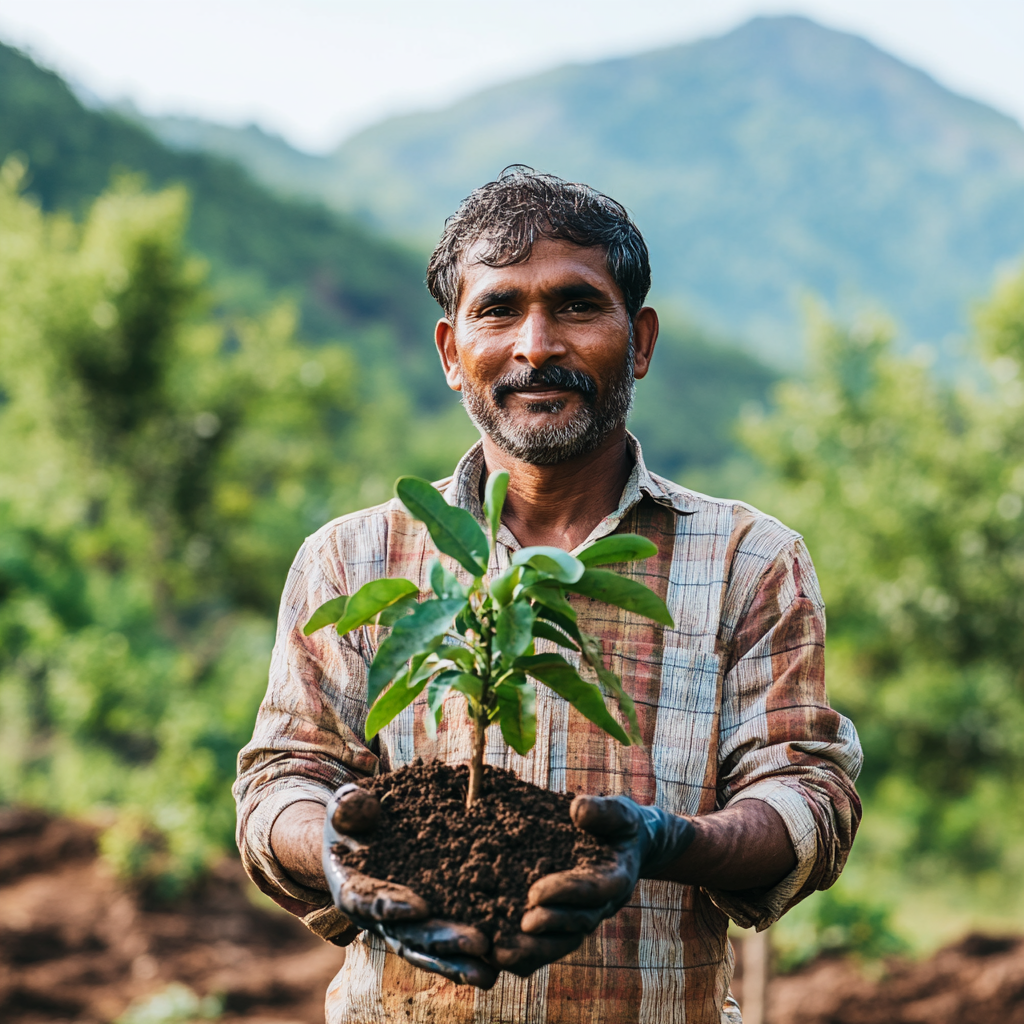
At Tazawan, we are rooted in nature and committed to delivering the purest organic products. Since 2015, we’ve been cultivating our 40-acre farm and partnering with tribal farmers to bring you fresh, nutrient-rich foods grown without chemicals. Our mission is to nourish both your body and the planet, offering natural, eco-friendly products you can trust
Frequently Asked Questions
-
For customer service inquiries only, please mail us at tazawanfoods@gmail.com or message us at +91 7061759878
-
All the orders are dispatched within 24–48 hours from our warehouse after receiving them.
Shipping estimates for domestic orders are 4-6 working days, depending on location and the shipping option you choose.
-
Our customer service team aims to respond to all E-mails within 24-72 hours.
-
Please check our Product Return and Refund Policy to know more.