






Kujipatalia Desi Rice
kujipatalia Desi Rice
A Fine-Grained Indigenous Desi Rice from Andhra Pradesh & Telangana
Kujipatalia is a lesser-known indigenous/desi rice variety associated with the revival of traditional rice seeds in Andhra Pradesh and Telangana.
It is a fine-grained, white rice with a slightly stout grain and a subtle traditional character. Farmers and traditional-seed conservation communities have been bringing varieties such as Kujipatalia back into cultivation as part of a wider movement to preserve indigenous seeds and strengthen local food biodiversity.
The variety is also known by names such as Kuji Patalia and Kuji Pataliya. Available documentation describes it as a small/fine-grained white rice associated with South India and notes its growing presence among farmers reviving native rice varieties in Andhra Pradesh.
At Tazawan, we celebrate Kujipatalia not simply as rice, but as part of India's living desi seed heritage—connecting traditional farmers, indigenous varieties and modern households.
👩🌾 Meet the Farmer
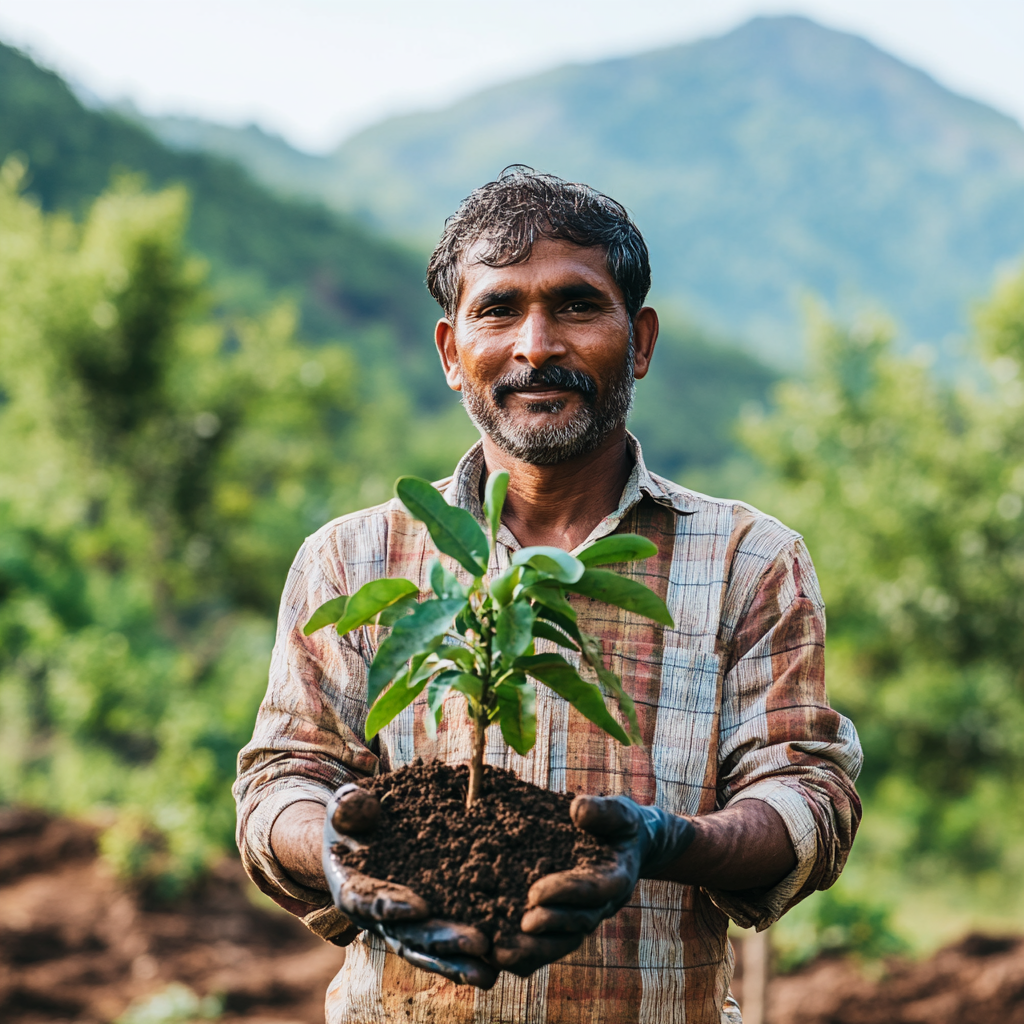
Farmer: Mrs. Rachakonda Chandana
Tazawan Partnered Farmer
📍 Village/Region: Mancherial District, Telangana
🌱 Crop Season: June 2025 – October 2025
🏆 Recognition: Recipient of the Best Natural Farmer Award, presented by former Vice President of India Shri M. Venkaiah Naidu, according to Tazawan's farmer information.
🌾 Farming Approach: Natural / Traditional Farming
At Tazawan, we believe that supporting individual farmers is an important part of preserving indigenous seeds and traditional agricultural knowledge.
🌾 What Makes Kujipatalia Special?
🌱 1. Indigenous Desi Rice
Kujipatalia is associated with India's traditional rice-seed revival movement. Native varieties such as Kujipatalia are being conserved and cultivated by farmers and seed-saving communities in Andhra Pradesh and Telangana.
🌾 2. Fine & Slender Grain
Kujipatalia is described as a fine/small-grained white rice, giving it a distinctive appearance compared with many modern rice varieties.
🌿 3. Traditional Farming Heritage
Kujipatalia is currently grown by farmers practising traditional and natural farming approaches. Commercial sources also describe naturally farmed Kujipatalia as an indigenous/desi variety.
🍚 4. Everyday Table Rice
Its relatively light character makes it suitable for regular home meals. Documented culinary uses include simple table rice and mixed-rice preparations such as lemon rice and tomato rice.
🌱 5. Part of India's Seed-Saving Movement
Traditional seed conservation initiatives in Andhra Pradesh have specifically included Kujipatalia among indigenous rice varieties being collected, preserved and shared by farming communities.
❤️ Nutritional & Wellness Perspective
Rather than making unsupported disease-treatment claims, Tazawan recommends understanding Kujipatalia as a traditional rice variety that forms part of a balanced diet.
🍚 Provides Dietary Energy
Like other rice varieties, Kujipatalia provides carbohydrates that contribute to daily dietary energy.
🌾 Source of Plant-Based Nutrition
Rice naturally contributes carbohydrate and a modest amount of plant protein to the diet. Its nutritional composition can vary depending on variety, cultivation conditions, milling and processing.
🌿 Bran & Nutrient Retention
When Kujipatalia is sold unpolished or minimally polished, more of the grain's outer layers are retained compared with fully polished rice. These layers naturally contain dietary fibre and various micronutrients.
Important: This benefit applies specifically to the unpolished/minimally polished form; it should not automatically be claimed for polished Kujipatalia.
🧬 Naturally Occurring Micronutrients
Traditional rice grains can contain naturally occurring minerals and B-group vitamins. However, exact nutrient quantities depend on the rice, soil, cultivation conditions and degree of milling.
For this reason, Tazawan recommends using laboratory-tested nutritional values if specific quantities are to be displayed on the product page.
🩸 Blood Sugar & GI: What the Evidence Really Says
Kujipatalia is sometimes marketed online as a low-GI rice with a GI of approximately 50.
However, we could not identify a reliable published clinical GI study establishing GI = 50 specifically for Kujipatalia rice.
Therefore, Tazawan should not state “GI 50” as a scientifically validated claim without a laboratory/clinical report for the product.
Instead, a responsible product statement would be:
“Kujipatalia is traditionally preferred by some households seeking minimally processed indigenous rice varieties. For blood-sugar management, portion size, cooking method and the overall meal composition are important, and individual glucose responses can vary.”
People with diabetes should follow their healthcare professional's dietary advice.
❤️ Traditional Belief System
Kujipatalia is part of the broader tradition of desi rice varieties valued by farming communities for everyday nourishment and local food culture.
Traditional beliefs associated with indigenous rice varieties commonly emphasize:
- 🌾 Everyday nourishment
- 💪 Strength and vitality
- 🥣 Comfortable traditional meals
- 🌿 Natural food practices
- 🍚 Simple home-style cooking
- 🌱 Connection with indigenous seeds and farming heritage
Some commercial sources also describe Kujipatalia as a light rice suitable for daily meals and as a variety containing fibre, iron and other minerals. However, these claims are not sufficiently supported by variety-specific clinical nutrition studies to present them as established medical benefits.
Traditional Belief Disclaimer: These statements represent traditional food knowledge and cultural practices. They are not intended to diagnose, treat, cure or prevent any disease.
⭐ Why You'll Love Kujipatalia
✅ Indigenous Desi Rice Variety
✅ Traditional Rice from the Andhra–Telangana Region
✅ Fine & Slender Grain
✅ Naturally Light Character
✅ Suitable for Everyday Meals
✅ Suitable for Traditional Mixed-Rice Preparations
✅ Can Be Used for Lemon Rice & Tomato Rice
✅ Suitable for Dal, Sambar & Vegetable Curries
✅ Available in Traditional/Unpolished Forms
✅ Supports India's Indigenous Seed Heritage
✅ Connected to Natural & Traditional Farming Communities
🍽️ Best Uses
🍚 1. Everyday Rice
Kujipatalia works well as a regular table rice with traditional Indian meals.
Enjoy it with:
- Dal
- Sambar
- Rasam
- Vegetable curries
- Pulusu
- Curd
- Pickles
- Traditional gravies
🍋 2. Lemon Rice
Its fine grains work well in simple South Indian lemon rice.
🍅 3. Tomato Rice
Kujipatalia can also be used for flavourful tomato rice and other mixed-rice dishes.
🌿 4. Traditional Mixed Rice
Traditional-rice documentation specifically notes that Kujipatalia can work well in mixed-rice preparations when cooking time is controlled.
🥣 5. Soft Rice Preparations
It can be cooked softer when preferred, making it suitable for simple home-style meals.
🧈 6. Ghee Rice / Neichoru
Traditional documentation has also highlighted its use in a simple ghee-rice preparation served with fried tender drumstick leaves.
🍚 How to Cook Kujipatalia Rice
Kujipatalia is a fine-grained traditional rice and may cook differently from standard modern polished rice.
Before Cooking
1. Rinse gently
Wash the rice 1–2 times with clean water.
2. Soak
For a softer and more evenly cooked grain, soak for approximately 20–30 minutes.
3. Drain and cook
Use the recommended water ratio according to your cooking method.
🔥 Stovetop Method
1 cup rice : 2.5 cups water
Cooking time: Approximately 18–25 minutes, depending on the vessel, flame and soaking time.
Method:
- Add 1 cup rinsed rice and 2.5 cups water to a cooking vessel.
- Bring the water to a gentle boil.
- Reduce to low-medium flame.
- Cover and cook until the rice becomes tender and the water is absorbed.
- Turn off the flame and allow the rice to rest for 5–10 minutes.
- Fluff gently before serving.
Tazawan Tip: If you prefer softer rice, add a little extra water. If you prefer separate grains, reduce the water slightly after your first few cooking attempts.
🍚 Rice Cooker Method
1 cup rice : 1.75 cups water
Cooking time: Usually 20–30 minutes, depending on the rice cooker.
Method:
- Rinse 1 cup rice gently.
- Soak for 20–30 minutes if desired.
- Drain and add rice to the cooker.
- Add 1.75 cups water.
- Start the normal rice-cooking cycle.
- Once cooking is complete, allow the rice to rest for 5–10 minutes.
- Fluff gently and serve.
Important: Rice cookers vary in heating intensity and evaporation. If the rice is slightly firm after the first preparation, increase the water by approximately ¼ cup next time.
👩🍳 Tazawan Cooking Tips
1️⃣ Soaking Improves Consistency
A 20–30 minute soak can help the grains absorb water more evenly.
2️⃣ Don't Overwash
Gentle rinsing is sufficient. Excessive washing is unnecessary.
3️⃣ Control the Flame
After reaching a boil, cook on low-medium flame to prevent excessive evaporation.
4️⃣ Allow Resting Time
Resting the cooked rice for 5–10 minutes helps moisture distribute more evenly throughout the grains.
5️⃣ Adjust According to Your Preference
Traditional rice varieties can behave differently depending on grain age, milling level, soaking and cooking vessel.
📋 Product Information
| Attribute | Details |
|---|---|
| Rice Variety | Kujipatalia |
| Other Names | Kuji Patalia / Kuji Pataliya |
| Rice Type | Indigenous / Desi Traditional Rice |
| Grain Type | Fine / Small-Grained |
| Rice Colour | White |
| Region | Andhra Pradesh & Telangana |
| Farming Approach | Traditional / Natural Farming |
| Crop Season | June 2025 – October 2025 |
| Farmer | Mrs. Rachakonda Chandana |
| Farmer Location | Mancherial District, Telangana |
| Best For | Daily Meals, Lemon Rice, Tomato Rice, Dal, Sambar, Rasam & Traditional Cuisine |
| Cooking – Stovetop | 1 cup rice : 2.5 cups water |
| Cooking – Rice Cooker | 1 cup rice : 1.75 cups water |
🌱 The Story Behind the Seed
Kujipatalia represents something larger than a grain of rice—the effort to bring indigenous seeds back into farmers' fields.
Traditional seed conservation initiatives in Andhra Pradesh have identified Kujipatalia among native rice varieties being preserved by farming communities. Such initiatives help maintain agricultural biodiversity and reduce dependence on a narrow range of modern high-yielding varieties.
For Tazawan, every indigenous rice variety represents an opportunity to reconnect consumers with farmers, traditional seeds and India's food heritage.
🌾 Tazawan Quality Promise
At Tazawan, we carefully source traditional rice varieties from farmers who value indigenous seeds, traditional knowledge and responsible farming practices.
Our aim is to bring authentic desi rice varieties from farming communities to modern households while helping preserve India's agricultural biodiversity.
From the Farmer's Seed to Your Family's Plate.
🌱 Regenerating Life. Nourishing You. Nurturing Nature
Customer Testimonials


Our Story, Our Promise
At Tazawan, we are rooted in nature and committed to delivering the purest organic products. Since 2015, we’ve been cultivating our 40-acre farm and partnering with tribal farmers to bring you fresh, nutrient-rich foods grown without chemicals. Our mission is to nourish both your body and the planet, offering natural, eco-friendly products you can trust
Frequently Asked Questions
-
For customer service inquiries only, please mail us at tazawanfoods@gmail.com or message us at +91 7061759878
-
All the orders are dispatched within 24–48 hours from our warehouse after receiving them.
Shipping estimates for domestic orders are 4-6 working days, depending on location and the shipping option you choose.
-
Our customer service team aims to respond to all E-mails within 24-72 hours.
-
Please check our Product Return and Refund Policy to know more.